
A single note can start an entire melody.
This idea doesn’t feel far-fetched anymore because now we know that OpenAI is working on an AI music-generation tool which can turn a simple prompt into full songs. This project is changing how people thing about making and sharing music.
According to the reports OpenAI music generation tool could create tracks from text prompts or short sound clips. You would just need to type a few words describing a mood or scene, and the AI might produce a melody that fits perfectly. It is a simple idea, but it shows how fast creative technology is growing.
Stay a little longer to see what this tool might be capable of doing, how it learns, and what it could mean for creators and listeners.
OpenAI steps into the music world
OpenAI is now exploring the creation of music with its AI music generation tool, moving beyond text and images into sound. The company is reportedly trying to develop a system which can create songs from text or short clips. This will make music creation much easier for creators and artists.
To teach the AI how music works, OpenAI collaborated with students from The Juilliard School. The students worked on marking and explaining music scores so the AI could learn how melodies, beats, and harmonies fit together. This helps the tool create music that sounds more natural and closer to what a human would compose.
Some possible uses of the tool might be:
- Generating guitar accompaniment for a vocal track.
- Adding background music to videos or short films.
- Helping creator’s experiment with melodies without needing extensive musical skills.
- Offering quick inspiration for songwriters or content creators.
This project is still in its under development, but OpenAI is not the only company exploring this field. Other startups, such as Suno and ElevenLabs, are also launching music-generation tools. While these innovations offer exciting opportunities, they also raise questions such as, AI-generated songs flooding streaming platforms as well as copyright concerns.
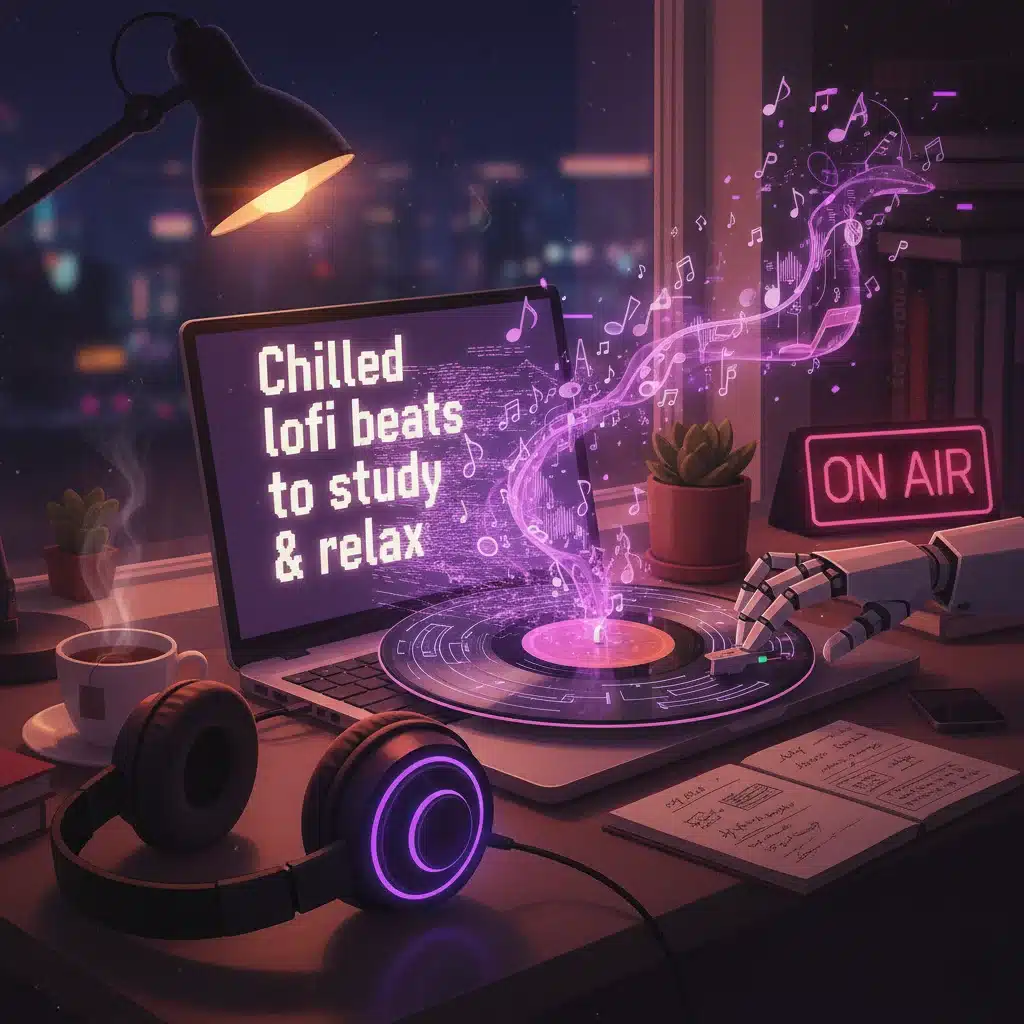
Creative possibilities and real concerns
The OpenAI music generation tool also opens many opportunities for creators as well as casual users. This tool can still help produce background music, inspire new melodies or provide quick tracks for videos and podcasts which makes music creation faster as well as more accessible.
Some key points to consider:
- Quickly generates background music for videos, podcasts, or short projects.
- Helps hobbyists and content creators’ experiment with new melodies.
- Provides inspiration for songwriters looking for ideas.
At the same time, there are challenges:
- Copyright and artist-rights issues with AI-generated tracks.
- Risk of AI music flooding streaming platforms.
- Similar AI music-generation tools from companies like Suno and ElevenLabs are creating a competitive and complex landscape.
Looking ahead
The future of AI music generations is very bright; it could include multi-track creation, improved mixing options, and smoother integration with platforms like ChatGPT or Sora.
These features may further ease the process of bringing ideas to life. Creators can begin experimenting responsibly by:
- Using AI to generate drafts or ideas rather than final published work.
- Keeping track of original sources to avoid copyright issues.
- Testing of the tool on personal projects before sharing publicly.
By taking these steps, musicians and content creators can explore AI-generated music in a safe way while remaining creative and rights-sensitive.
